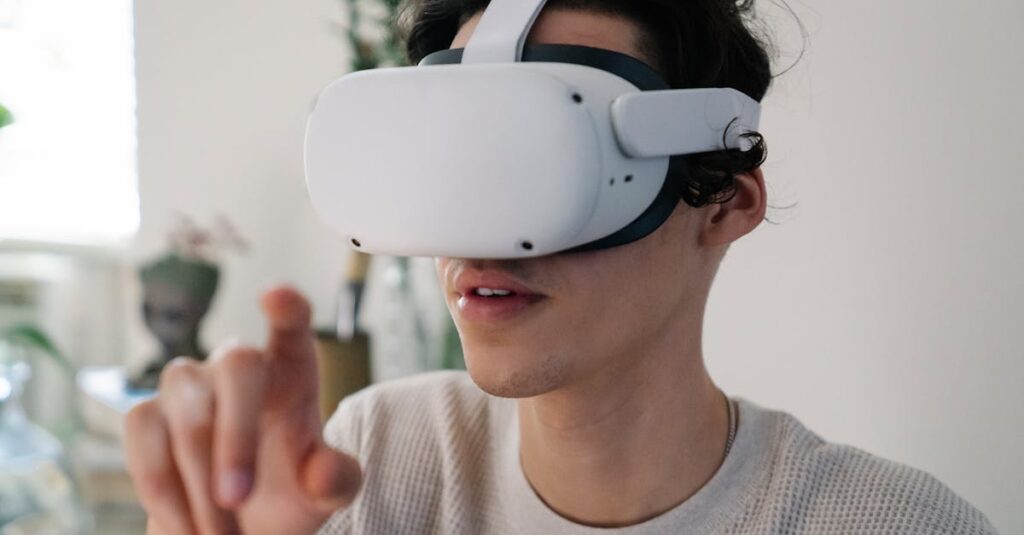
Imagine walking into a pharmacy where the shelves come to life. We’re talking about augmented reality (AR) in pharmacy, a thrilling intersection of technology and healthcare that’s not just a fantasy. This innovative approach isn’t only here to stay: it’s set to reshape our medication experience dramatically. So, buckle up, and let’s jump into the world of AR pharmacy, where your do-it-yourself prescriptions become interactive adventures.
Augmented Reality Pharmacy
Augmented reality in pharmacy refers to the technology that overlays digital information onto the real world, enhancing how we interact with medications and health information. Picture this: you walk into a pharmacy, and through an AR application on your smartphone or AR glasses, medication labels spring to life with interactive animations. Suddenly, you’re not just reading about a drug: you’re seeing how it works in real-time.
This technology bridges the gap between the digital and physical worlds, combining our everyday environment with rich digital overlays. It’s not just for gaming anymore. In pharmacy, AR can transform how we understand prescriptions, medications, and health education.
Benefits of Augmented Reality in Pharmacy
The benefits of augmented reality in pharmacy extend beyond eye-catching visuals. First, we can enhance patient education significantly. With AR, patients can get comprehensive insights about medications, side effects, and usage through engaging, interactive content.
Second, patient adherence to medication regimens can improve. Imagine seeing a visual reminder or interactive tutorial right on the medication bottle, guiding us through our dosages and timings. We believe this could reduce misunderstandings and lead to better health outcomes. Finally, AR can streamline pharmacy operations as well. Pharmacists can use augmented reality tools for inventory checks or medication management, making their workflow more efficient while reducing errors.
Applications of Augmented Reality in Pharmacy
The applications of augmented reality in pharmacy are as diverse as they are intriguing. For starters, AR can be used for training pharmacy staff. New employees can experience simulated scenarios that train them in real-time, dealing with customers and managing prescriptions.
Next, patient consultations can take on a new dimension. Imagine discussing a complex medication regimen while showing a visual representation of how a drug works within the body. This real-time visualization can help simplify complex ideas, making it easier for patients to grasp their treatments. Also, AR applications for medication labeling can revolutionize how we interpret drug information. With just a scan, patients could see a virtual display of important details, including translations and clarifications.
Challenges and Limitations of Augmented Reality in Pharmacy
While the potential for augmented reality in pharmacy is vast, we must also recognize the challenges and limitations. One significant hurdle is the cost of implementation. Developing AR applications and integrating them into existing systems can require substantial investment, especially for small pharmacies.
Also, there’s the question of user accessibility. Not everyone may have the latest technology needed to experience AR fully. This gap could lead to disparities in how patients access critical health information. Privacy concerns also undermine the growth of AR in pharmacy. Users may hesitate to engage with technologies that require personal data or location tracking. As we embrace AR, navigating these hurdles thoughtfully will be essential.
The Future of Augmented Reality in Pharmacy
Looking ahead, we envision a bright future for augmented reality in pharmacy. As technology advances, we can expect more intuitive, user-friendly applications that enhance our pharmaceutical experiences.
Researchers are developing AI capabilities to analyze patient data alongside AR technologies, tailoring medication information specifically to individual needs. Upscaling training and support for pharmacy professionals through immersive AR experiences will lead to better patient outcomes and improved service. Besides, as smart device ownership becomes universal, the hurdles we face today may diminish, allowing AR to become a standard tool in pharmacies everywhere.